
WA’s next wave of Large Format Retail growth takes shape
Western Australia’s Large Format Retail development pipeline is accelerating, but bringing the next generation of projects to market is becoming increasingly complex as developers balance strong retailer demand with rising construction, finance and occupancy costs.
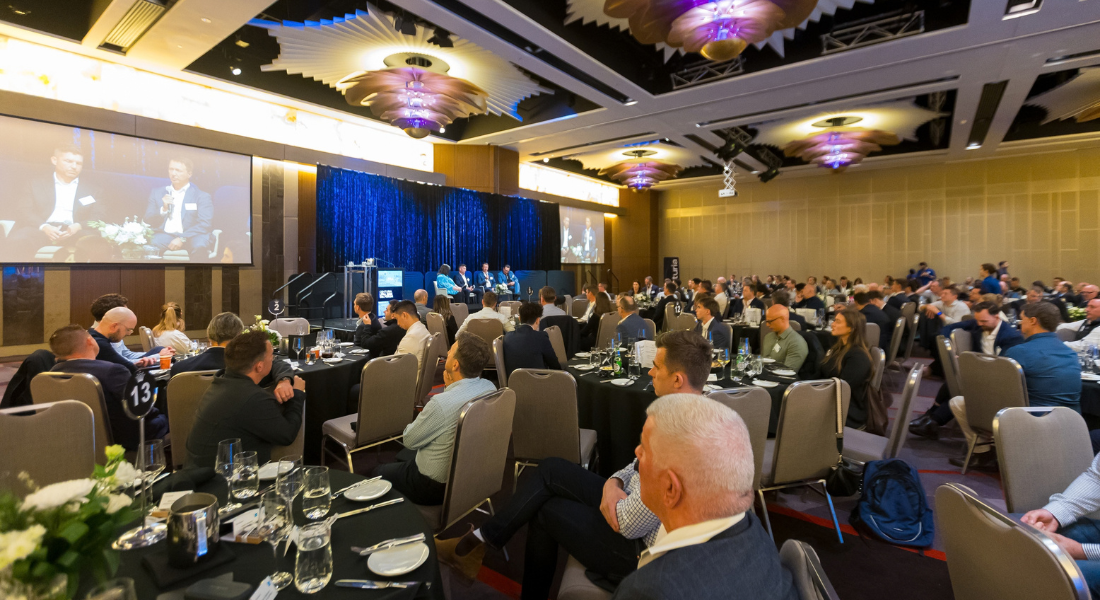
That was a key theme of the Building WA’s Large Format Retail Future panel at the Centuria LFRA 2026 WA Forum in Perth in September.
Moderated by Philippa Kelly, Chief Executive Officer of the LFRA, the panel brought together James Dann, Senior Property Development Manager at Centuria Capital Group; Bruce McCully, General Manager, Commercial Property at Satterley Property Group; and Steve Gismondi, Managing Director of Dome Property Group.
The discussion followed the LFRA WA Study Tour the previous day, giving members the opportunity to move from seeing Perth’s growth corridors firsthand to examining the commercial realities behind delivering new projects.
Opening the discussion, Ms Kelly said Western Australia’s Large Format Retail and broader commercial property landscape was “expanding rapidly”, particularly along Perth’s outer growth corridors.
A significant pipeline taking shape
Perth’s continued population growth and expansion along its northern and southern corridors is creating a substantial Large Format Retail pipeline.
Satterley alone has around 100,000 sqm of Large Format Retail space under development across Western Australia, with activity spanning Ellenbrook, Alkimos, South Central Jandakot, Byford and Busselton.
The pipeline also reflects an evolution in Satterley’s model. Traditionally associated with broad-acre residential development, the company is increasingly developing and retaining commercial assets within the communities it creates.
Alkimos demonstrates just how quickly some growth corridors are moving. Development that had not been expected to open until 2030 has now been brought forward to 2027 as population growth accelerates.
Centuria and Satterley are working together in the precinct, which Mr Dann described as an opportunity to create a purpose-built, fully integrated retail destination as the surrounding catchment develops.
Ms Kelly likened Perth’s north-south expansion to an “elastic band”, stretching out from the city as housing, infrastructure and development unlock new catchments across areas including Alkimos, Jandakot and further south towards Mandurah.
 The development equation is changing
While the sector’s fundamentals remain strong, getting projects out of the ground is significantly more difficult than it was five years ago.
Higher construction costs, the cost of debt and more constrained equity markets are all placing pressure on feasibility, making speculative development increasingly difficult.
Strong retailer engagement and pre-leasing are therefore becoming critical.
Timing also matters. Large Format Retail generally follows residential development and major infrastructure, making it important to understand not only where populations are growing, but when a catchment will become commercially viable.
Retailers are also facing greater occupancy pressures, with both rents and fitout costs increasing.
Despite those pressures, demand for well-located Large Format Retail space remains strong, with low vacancy and continuing activity across furniture, lifestyle and major retail categories.
Looking ahead, the panel expects successful centres to intensify as surrounding populations grow. Supermarkets may also increasingly consider Large Format Retail locations as an alternative to higher-cost shopping centre space, while rising occupancy costs and more centralised distribution could encourage some retailers to operate from smaller footprints.
Managing construction cost and risk
Containing construction costs remains central to project feasibility.
Structural steel was one example discussed, with Mr Gismondi noting imported fabricated steel can offer savings of around 30 per cent compared with local fabrication.
But he cautioned that the decision needs to account for quality, compliance, shipping and warranty risks.
“I just think that you’ve got to be prudent where you’re buying it from and who’s the fabricator,” Mr Gismondi said.
He recommended strong quality assurance and, where possible, involving a local fabricator to help reduce risk for developers and builders.
South Central: early engagement pays off
South Central at Jandakot provided a practical example of many of the themes discussed.
Mr McCully said the response has exceeded expectations, with some tenants seeking more space than anticipated and new-to-market retailers also emerging.
Engagement with Large Format Retailers around a year before formal leasing commenced helped start those conversations well ahead of the formal campaign.
The leasing strategy has focused on curating the right tenant mix rather than simply maximising rent, including avoiding uses that could unnecessarily compete with existing tenants.
For the panel, the broader message was clear: Western Australia presents significant opportunities for Large Format Retail, but capturing them will require developers and retailers to engage earlier, manage costs closely and align projects carefully with population and infrastructure growth.