
Rooftop solar reform welcome, but leasing arrangements remain key
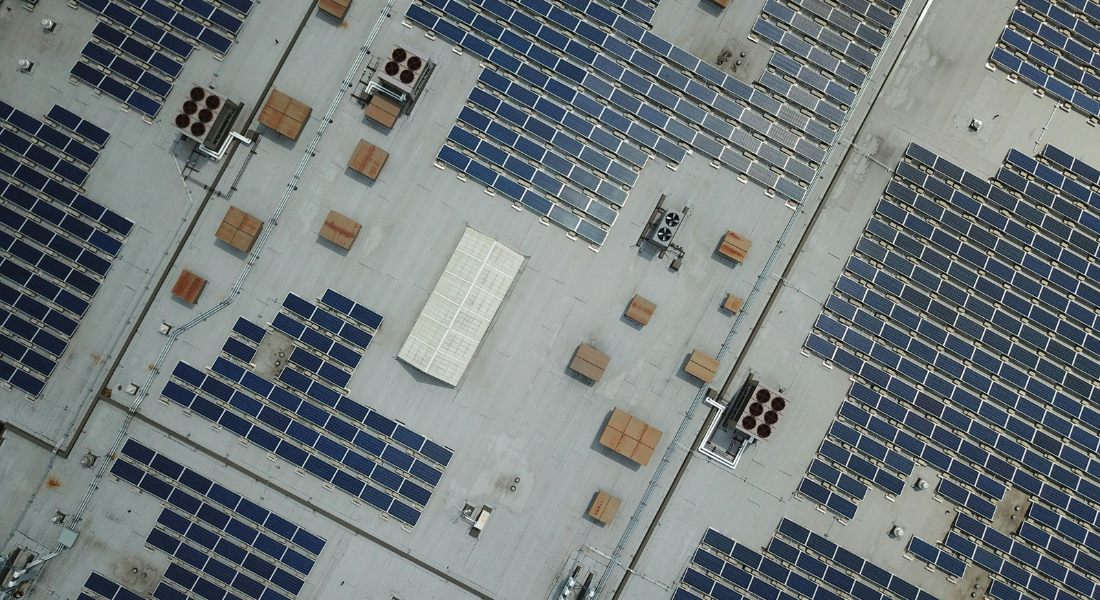
The Australian Government’s decision to expand the Small-scale Renewable Energy Scheme from 100 kW to 1 MW is welcome news for Large Format Retailers and other commercial energy users.
Philippa Kelly, Chief Executive Officer of the LFRA said many Large Format Retailers and property owners have already installed rooftop solar. For others, however, taking advantage of the expanded scheme will depend on a fundamental question: who controls the roof space?
The reform is intended to reduce the upfront cost of medium-sized solar installations by around 20 per cent and is expected to commence on 1 October 2026, subject to the necessary regulations being put in place. The Government estimates that a 250 kW system could attract a discount of approximately $68,000 and save a medium-sized enterprise, such as a retailer, around $50,000 a year in electricity costs.
Ownership makes all the difference
For an owner-occupier, the pathway may be relatively straightforward. Subject to planning, network connection, structural and technical requirements, the retailer can assess the commercial case and proceed with an installation.
The position is more complex where a retailer leases its premises.
In those circumstances, access to the roof will usually need to be negotiated with the landlord, along with questions around who funds and owns the system, who receives the financial benefit and what happens to the panels and associated infrastructure at the end of the lease.
The condition and structural capacity of the roof are also critical considerations. Before any installation proceeds, the parties need to be satisfied that the building can safely accommodate the additional load and that the works will not compromise warranties, drainage, maintenance access or future repairs.
Embedded networks add another layer
In some cases, the landlord may choose to install and own the solar system and retain the commercial benefit, particularly where the property operates through an embedded electricity network.
Where an embedded network is in place, the landlord or network operator may purchase electricity and on-sell it to tenants. Rooftop solar can reduce the cost of supplying that electricity, but whether those savings flow through to the occupying retailer will depend on the commercial and contractual arrangements between the parties. Any benefit to customers would therefore be indirect and would depend on whether lower operating costs are ultimately reflected in retail pricing.
The picture can become more complex again in multi-tenanted properties, including multi-level developments or sites with shared roof areas, where questions of access, cost-sharing and the allocation of energy benefits need to be worked through.
Turning policy into practical outcomes
“For Large Format Retailers, the expanded scheme creates a significant opportunity,” said Ms Kelly. “Realising that opportunity, however, will require more than access to a rebate. Lease terms, roof ownership, building structure, network arrangements and the allocation of costs and benefits will all need to be carefully considered.”
The next challenge is ensuring commercial arrangements keep pace with the policy opportunity.
For the Large Format Retail sector, that means landlords and tenants may increasingly need to consider rooftop solar as part of lease negotiations, property upgrades and long-term asset planning. Clearer arrangements around roof access, infrastructure ownership, allocation of costs and sharing of energy savings could help unlock further investment across leased retail premises.
While the expanded scheme is a positive step, its success in the Large Format Retail sector will ultimately depend on whether retailers and property owners can establish practical arrangements that allow both parties to benefit.
As rooftop solar becomes an increasingly important part of the energy transition, these issues are likely to become a more prominent feature of leasing and property discussions across the sector.