
Retail crime, staff safety and the new prevention playbook
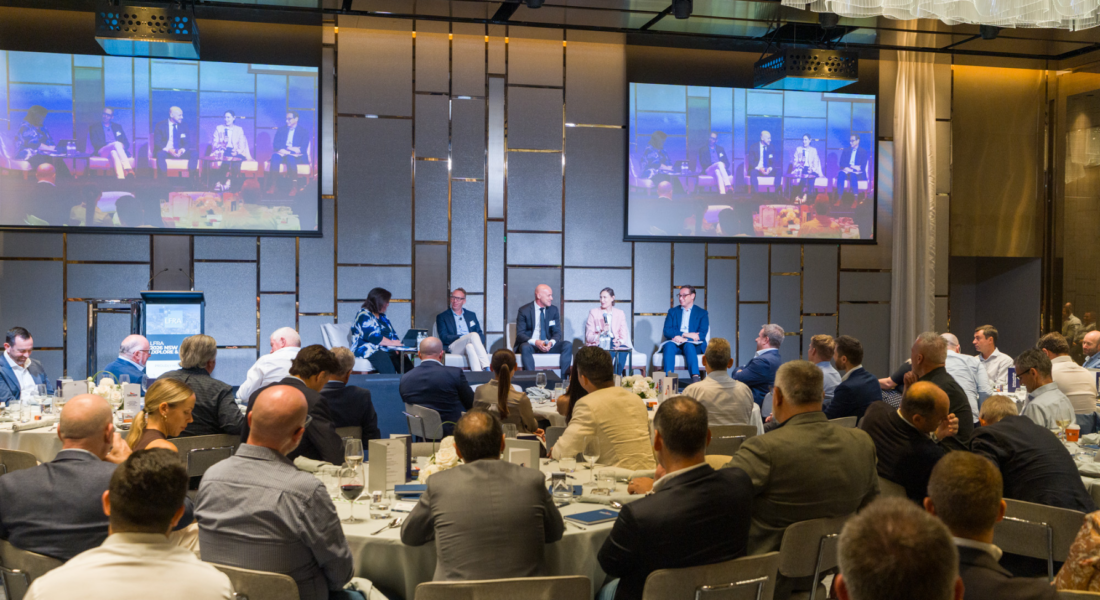
Loss prevention and employee safety are becoming defining operational challenges for Australia’s Large Format Retail sector. At the Large Format Retail Association’s first NSW Explore & Forum of 2026, industry leaders, security specialists and a former senior police investigator gathered to examine how the issue is evolving and how retailers are adapting.
A panel discussion moderated by LFRA Chief Executive Officer Philippa Kelly brought together perspectives from across retail, security and law enforcement. The panel featured Zac Fried, Executive Deputy Chairman of Spotlight Group and LFRA President; Rachael McVitty, Chief Customer Officer at Bunnings Group; Gary Jubelin, former NSW Detective Chief Inspector, author and podcast host; and Alan Brownlow, Head of Growth at Advent Security Australia & New Zealand.
The discussion reflected a growing reality across the sector: retail crime is no longer confined to isolated incidents. Increasingly, retailers are dealing with repeat offenders, coordinated theft and situations that place frontline staff under pressure. This retail crime wave, vastly more acute in Victoria than in any other state, is likely to get worse before there’s a turnaround.
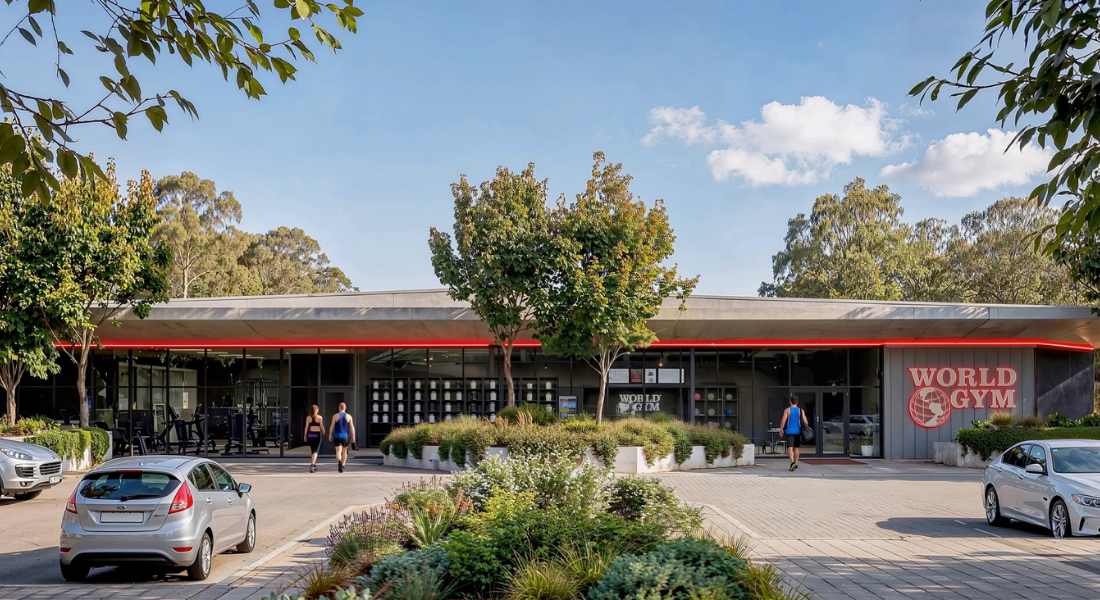
For Large Format Retailers operating expansive stores with high-value inventory, the challenge is particularly heightened. Unlike enclosed shopping centres with centralised security infrastructure, many Large Format Retail stores have multiple entry points, large car parks and wide retail floors. That environment can present opportunities for organised theft and make prevention more complex.
The panel discussion explored how the sector is responding, highlighting the shift toward a more holistic approach to loss prevention, one that combines store design, operational practices, technology and collaboration with law enforcement.
Beyond stock loss
One of the strongest themes to emerge was that retail crime cannot be measured simply in terms of lost merchandise.
Panel speakers noted that the impact extends to staff wellbeing, morale and retention. Incidents involving verbal abuse, threats or aggression toward employees have become an increasing concern across the sector, reinforcing the need for retailers to focus on staff safety as much as asset protection.
“When we allow low-level crime, we see a flow-on effect. This isn’t just about the loss of stock, it also has a residual effect on employee retention and wellbeing,” former NSW Detective Chief Inspector Gary Jubelin told the forum.
He noted that many offenders repeatedly target the same retailers and product categories, often treating retail theft as a reliable source of income. In this environment, prevention strategies that make stores less attractive targets are becoming increasingly important.
“We need to create an environment where crime doesn’t flourish. Police and policing are part of the solution, but not all of it,” said Mr Jubelin.
Prevention through design, operations and training
For many Large Format Retailers, prevention now begins long before an incident occurs.
Rachael McVitty, Chief Customer Officer at Bunnings Group, outlined how Bunnings approaches safety through a layered model that combines store design, operational practices, security technology and staff capability.
That approach begins with how stores are configured and operated. Entry points are carefully managed, and store layouts are designed to maintain visibility and oversight across large retail spaces. Product placement is also considered through a security lens, with higher-value items positioned in ways that reduce opportunities for theft.
Training is central to the strategy. Teams are increasingly equipped with de-escalation techniques designed to manage difficult interactions safely and reduce the risk of situations escalating.
Security technology plays an important role in supporting these measures too. Tools such as CCTV, licence plate recognition and body cameras are used alongside both visible and undercover security personnel in some locations.
Rather than treating retail crime solely as a security issue, the approach recognises the broader environment in which stores operate and the importance of supporting frontline staff.
Bunnings’ trial of facial recognition technology was also referenced. The system, used in 63 stores between 2018 and 2021, aimed to identify known high-risk offenders, including repeat violent shoplifters, to improve staff and customer safety.
Earlier this year, the Administrative Review Tribunal found the use of the technology was reasonable to help protect people from violence, abuse, serious criminal conduct and organised retail crime.
Ms Kelly said retailers are exploring these tools primarily to protect their people and customers, noting Bunnings’ proactive and considered approach to in-store safety and its constructive engagement with regulators, as the company looks to roll out FRT in New Zealand through a careful, phased approach, beginning with two Hamilton stores from mid-April 2026.
Designing out risk
Zac Fried, Executive Deputy Chairman of Spotlight Group and LFRA President, said Large Format Retailers face particular challenges compared with businesses operating within shopping centres.
“Large Format retailers don’t have the same protections as a shopping centre,” he said.
As a result, prevention strategies often need to be built directly into the design and operation of stores. He said Spotlight Group is investing more in improved product tagging systems, upgraded surveillance technologies and physical store design features intended to deter crime. In some new store developments, this includes measures aimed at reducing the risk of ram raids or improving visibility across large spaces.
Body cameras worn by staff have also emerged as a visible deterrent in certain environments.
“Staff wear body cams because they were getting assaulted by perpetrators. When the cameras are on, that acts as a deterrent,” said Mr Fried.
Other considerations include the design and location of car parks, lighting and the placement of staff facilities. These elements, while sometimes overlooked, can play an important role in reducing risk and improving safety outcomes.
The human factor in retail crime
Security specialist Alan Brownlow, Head of Growth at Advent Security Australia & New Zealand, highlighted the role that behaviour and perception play in many retail theft incidents.
A significant proportion of theft is opportunistic, meaning that visible security measures can have a strong deterrent effect. When customers entering a store are aware that monitoring systems are in place, the likelihood of opportunistic theft can decrease.
Mr Brownlow also noted that technologies such as body cameras can influence behaviour on both sides of an interaction. Staff often feel more confident when they know incidents are being recorded, while offenders may be less likely to escalate situations when they are aware of surveillance.
However, he emphasised that technology is only effective when it forms part of a broader ecosystem that includes store design, operational processes and staff awareness.
Understanding local crime patterns and sharing information between retailers and security partners can also play an important role in improving prevention strategies.
Working together to improve safety
A consistent message throughout the panel discussion was that tackling retail crime requires collaboration across the entire retail ecosystem.
Building relationships with local police, sharing information where appropriate and ensuring that evidence is available when incidents occur can all assist in responding effectively to retail crime.
Retailers are also increasingly working together to share insights about emerging trends and prevention strategies.
For the Large Format Retail sector, the goal is to respond to incidents but also to create environments where crime is less likely to occur in the first place.
Through conversations such as those held at the LFRA Explore & Forum, the sector is continuing to develop practical approaches aimed at ensuring Large Format Retail environments remain safe places for employees, customers and the communities they serve.
Ms Kelly said, “As retail crime continues to evolve, so too will the strategies used to prevent it, combining thoughtful design, technology, training and collaboration to stay ahead of emerging risks.”