
Hygiene poverty is deepening, but all retailers can help
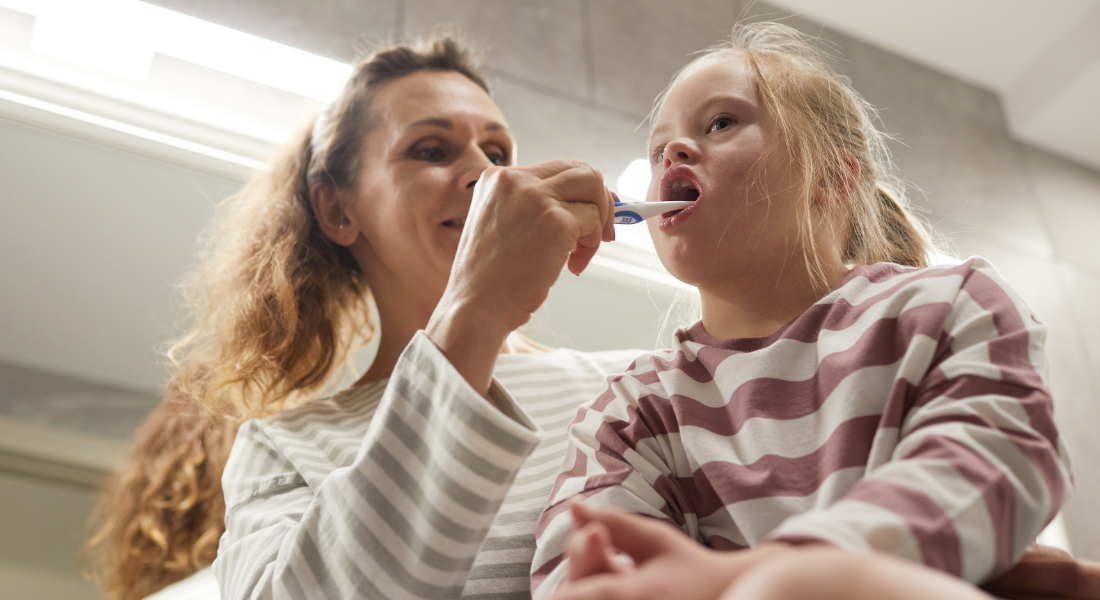
 Picture a family working through their weekly budget. The prices of everyday essentials like rent, electricity, groceries and fuel pile up fast. When something has to give, hygiene products are among the first casualties of a squeezed household budget.
Good360 Australia’s latest research into hygiene poverty found 5.5 million Australians are currently living in hygiene poverty, with more than one in three (35%) experiencing it at some point.
More than half of respondents (51%) said they had redirected spending away from hygiene or cleaning products in the past year to cover other expenses, including 26% who had done so specifically to afford food.
The issue isn’t confined to people already in crisis. It also affects full-time workers, renters, students and middle-income families across the country.
The impact goes well beyond an empty bathroom cabinet. A lack of access to hygiene products is linked to people skipping job interviews, avoiding social occasions, and even delaying medical or dental appointments. For many, a bar of soap or a stick of deodorant can mean dignity, confidence and the ability to show up in the world without shame.
Tellingly, 48% of Australians say they want businesses to donate surplus hygiene products rather than dispose of them.
This presents a clear opportunity for retailers to respond, whether through donating surplus products, supporting collection campaigns or helping fund the distribution of essential hygiene goods.
Why this matters for your workforce, not only your customers
The research shows that young people and casual workers are among those most affected by hygiene poverty. For team members especially juggling casual hours, study, and rising living costs, hygiene poverty may affect confidence, wellbeing and a person’s ability to participate fully in work, study and social situations.
This connects directly to the psychosocial safety conversations already underway across the sector. Supporting hygiene access, whether through workplace donation drives, EAP referrals, or simply awareness among managers, is one practical way retailers can support the wellbeing of the young and casual workers who keep stores running.
 Where retailers can play a role
Good360 Australia works with a network of over 4,800 charities and schools to get essential goods to the people who need them most, but unlike food, hygiene products rarely make it into donation channels. They aren’t grown in excess and they don’t “go off”, so retailers and manufacturers often don’t think to donate them. Good360 works to help close this gap by connecting surplus goods with verified charities and schools.
The process is straightforward: retailers donate surplus or slow-moving hygiene stock and Good360 manages distribution through its network of verified charities and schools across Australia. Retailers don’t have to sort through individual requests, and there’s no guesswork about where the need is greatest.
This is the same model that saw Harvey Norman and Good360 turn surplus stock into second chances earlier this year, a good example of what’s possible when a Large Format Retailer puts unsold stock to work in the community.
The results speak for themselves. As one Good360 network member, the UTS Students’ Association, put it, “Items like toothpaste and deodorant are often the first to go each week, and having a choice of quality donated products fosters dignity and shows visitors they’re valued. For students stretching every dollar, that access can be the difference between showing up to class with confidence or withdrawing altogether.”
Every pallet of surplus hygiene stock redirected from waste can instead become someone’s dignity restored. For retailers already managing significant volumes of stock, it offers a meaningful, and relatively straightforward way to generate real community impact.
Two ways to get involved
Even if you don’t stock hygiene products, you can still support Good360’s mission of sourcing 1 million products to close the hygiene poverty gap:
- Give Goods: Donate surplus, excess or slow-moving hygiene stock. Good360 manages the logistics and connects them directly to charities and schools supporting Australians in need.
- Fund Goods: Financial contributions, payroll giving, or customer donation campaigns at checkout, can help Good360 purchase essential hygiene products at scale. You can also donate directly
Either way, the outcome is the same: surplus becomes support, and support becomes dignity. Simply email corporatepartnerships@good360.org.au to find out more.
Learn more about the scale of the issue and how your business can help.
Read Hygiene Poverty in Australia: 2026 Update here.