
Head office leases: The overlooked lever in retail performance
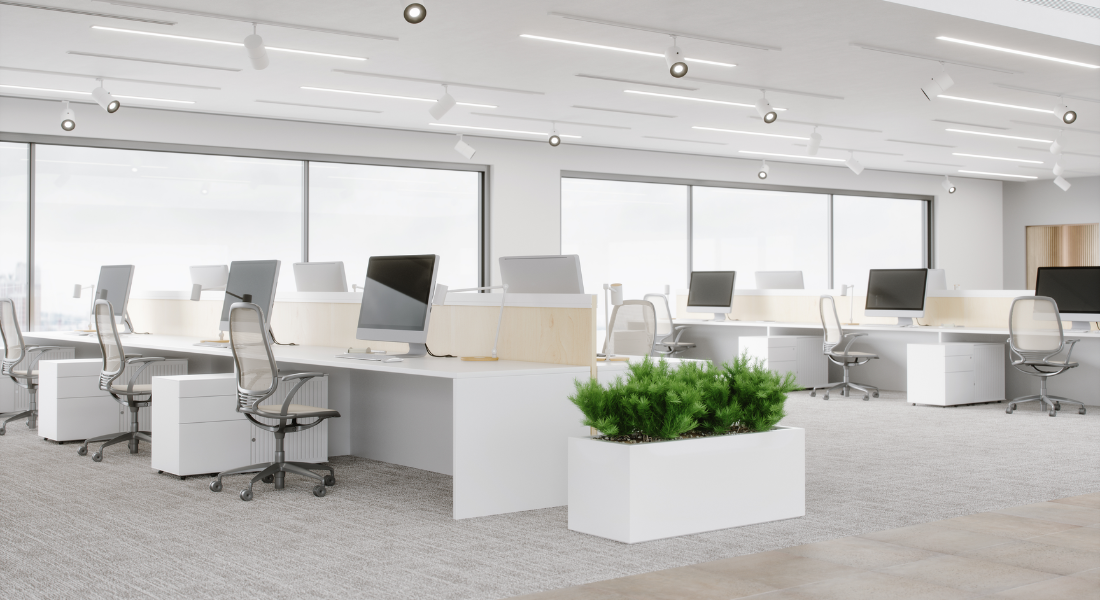
Large Format Retailers invest significant effort into securing the right sites for their stores, yet the same strategic focus does not always extend to their head office. In an environment where property is one of the largest line items after payroll, that oversight represents a missed opportunity to improve efficiency and resilience.
“Head offices have evolved from administrative hubs into cross-functional command centres that shape culture, collaboration, and performance,” said Adrian Gerber, Director, LPC. “How they’re leased, configured, and managed now plays a critical role in a retailer’s ability to adapt to changing markets and workforce patterns.”
Office vs retail leasing: A different playing field
Retail and office leases operate under very different rules. Commonly retail leasing sits within a legislated framework designed to balance landlord and tenant rights, but office leasing remains largely unregulated. That difference changes everything about how costs and flexibility are determined. Understanding these distinctions is the starting point for approaching head office property as a strategic asset, not just an administrative necessity.
| Retail leasing | Office leasing |
| Can be governed by Retail Leasing Acts | Mostly unregulated – all terms open to negotiation |
| Fit-out is customer-facing and brand-driven | Fit-out supports internal productivity and team culture |
| Incentives tend to be lower and more standardised | Incentives vary widely and can conceal long-term costs |
Timing and market conditions matter
Most retailers begin thinking about their head office lease expiry too late to meaningfully influence outcomes. In practice, acting 18 to 24 months before the end of term allows time to test the market, compare options, and create negotiation headroom.
In the current market, that matters. Australia’s office sector remains tenant-favourable in 2026, with elevated vacancies and generous incentives in most capital cities. Retailers considering a renewal or relocation have an opportunity to rebalance cost, footprint, and amenity without increasing net outgoings.
Designing for flexibility and productivity
The purpose of the office has shifted. Hybrid work, digital collaboration, and wellbeing priorities have redefined what organisations need from their space.
Leases that allow for modular expansion or contraction, balanced make-good provisions, and staged renewals are helping retailers match real estate to evolving business models.
Data-driven tools such as space-utilisation sensors are also changing the conversation. Instead of estimating how much space a team “might need”, occupiers can now make evidence-based decisions on how much they actually use, reducing cost while maintaining connection.
Looking ahead
Reassessing lease structures through the lens of flexibility and performance isn’t about spending less, it’s about ensuring every dollar of occupancy cost contributes to what matters most: people, productivity, and long-term growth.
“Creating tenant leverage is of paramount importance when negotiating your office lease,” said Mr Gerber. “To create the best leverage and to ensure that your landlord provides you with market terms, LPC will issue an EOI to landlord and agent contacts. The EOI process will identify options matching your business requirements, with prospective landlords, including your current landlord, competing for your business in the form of a favourable lease commitment.”
For more information on optimising your lease portfolio, visit LPC (Australia & New Zealand)