
Soft plastics recycling: A practical opportunity for Large Format Retail brand owners
Since the establishment of the Commonwealth Recycling and Waste Reduction (RAWR) Act in 2020, leading brands and retailers have voluntarily collaborated to create Soft Plastic Stewardship Australia (SPSA), a not-for-profit organisation supporting the implementation of a national soft plastic recycling scheme.
SPSA and its members are deeply invested in the future of brand owners and retailers. This is more than a sustainability exercise, it is also a customer-centric retail opportunity.
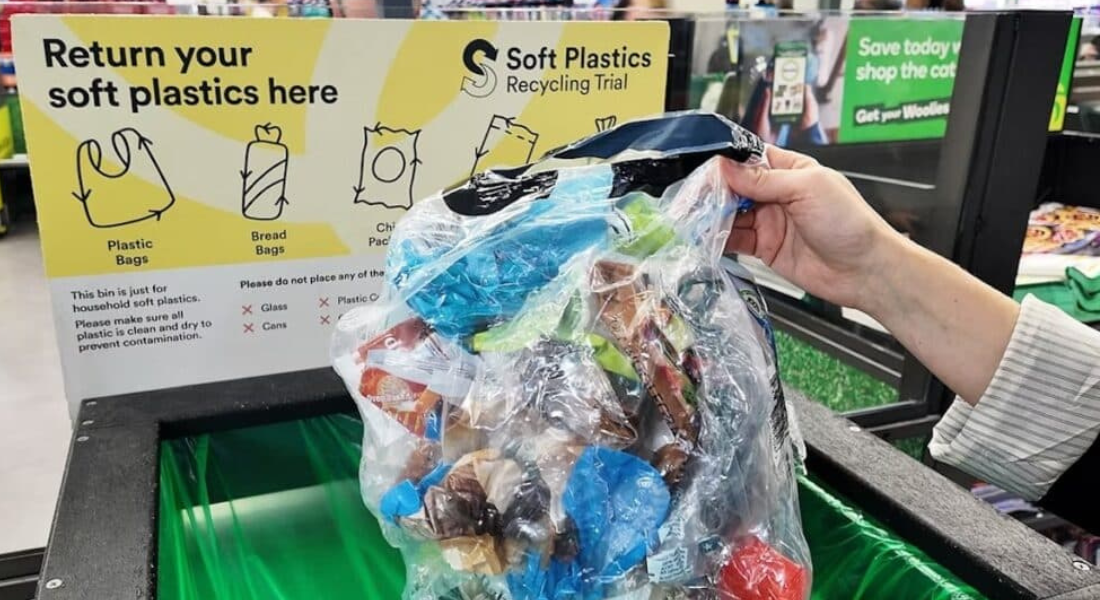
Australians produce tens of billions of pieces of soft plastic packaging every year. By placing collection points where customers already shop each week, Large Format Retailers can turn recycling into a seamless part of the everyday routine. This is genuine circularity; visible, tangible, and credible.
Plastic plays a vital role across the supply chain. It delivers lightweight, durable packaging that protects products, extends shelf life, and significantly reduces transportation emissions. Through recycling, soft plastics are transformed into high-value recycled content for new packaging and building materials.
As collection and processing systems mature, soft plastics can become a more reliable feedstock for recycled products, helping reduce reliance on virgin materials and supporting stronger local circular economy outcomes.
Partnerships with recyclers like iQRenew and saveBOARD, alongside emerging advanced recycling players, demonstrate that the infrastructure and offtake are maturing. The aim is to build a coordinated, industry-led model with the scale and reliability needed for long-term success.
Centres and operators that actively support these convenient, visible programs will strengthen their competitive position and deliver real value to both shoppers and the nation’s resource security.
For Large Format Retail centres, the opportunity is clear. Hosting well-managed soft plastics collection points strengthens a centre’s role as a genuine community hub. It drives foot traffic, increases dwell time, and delivers a practical point of difference that aligns with growing customer expectations around sustainability.
Of course, success depends on execution: keeping bins clean and accessible, clear customer communication on acceptable materials, and consistent processing. But the early momentum is encouraging, and the potential reward is substantial.
Practical environmental initiatives, when done well, are not a cost centre but a value creator. They build customer loyalty, support stronger leasing outcomes, and position Large Format Retail as part of the solution.
In challenging retail conditions, opportunities like this – convenient for customers, measurable in impact, and aligned with broader ESG and energy security expectations, are exactly the kind worth backing.
For more information, please visit spsa.au or contact info@spsa.au